Kawalu Bay, Banggai Islands: Travel Guide and What to Expect
Kawalu Bay is a calm, turquoise bay in the Banggai Islands of Central Sulawesi, Indonesia. This guide covers where Kawalu Bay is, how to get there, boat access, snorkeling, diving, the best time to visit, and what to bring. It is known for mirror-like water, mangrove-lined shores, and green hills surrounding the bay. The combination creates one of the region’s most appealing marine landscapes and is best experienced as part of a local boat trip.
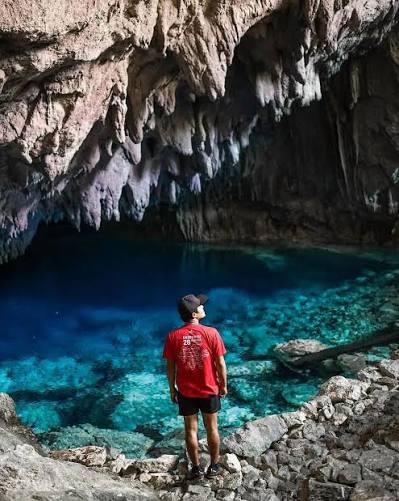
Travelers often visit Kawalu Bay together with other Banggai Islands destinations such as Paisu Pok Lake and Paisu Batango Spring. Local accommodation or a guide can usually help arrange the boat trip and coordinate the day’s route.
There is an important naming distinction. Kawalu Beach, also known as Pantai Manado, is a separate mainland location in Desa Siuna, Kecamatan Pagimana, Banggai Regency. The Kawalu Bay described here is in Banggai Islands Regency and is reached as part of a boat-based island trip.
The Water and Landscape of Kawalu Bay
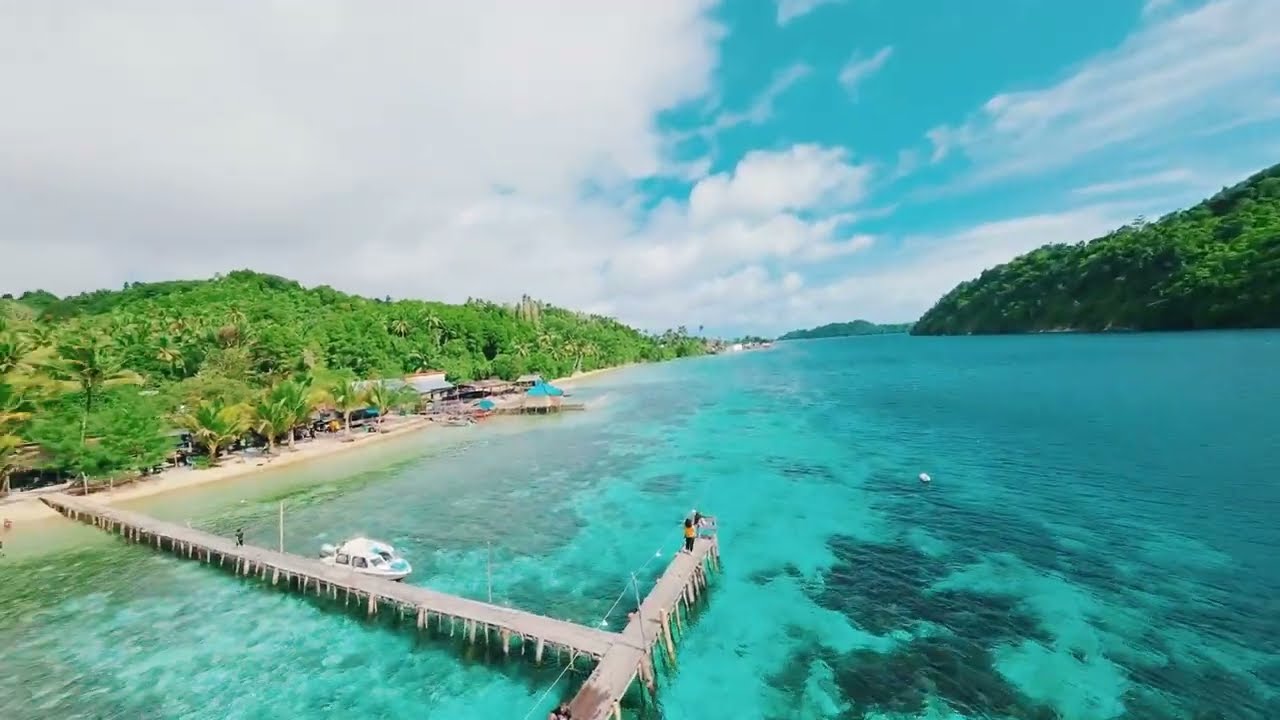
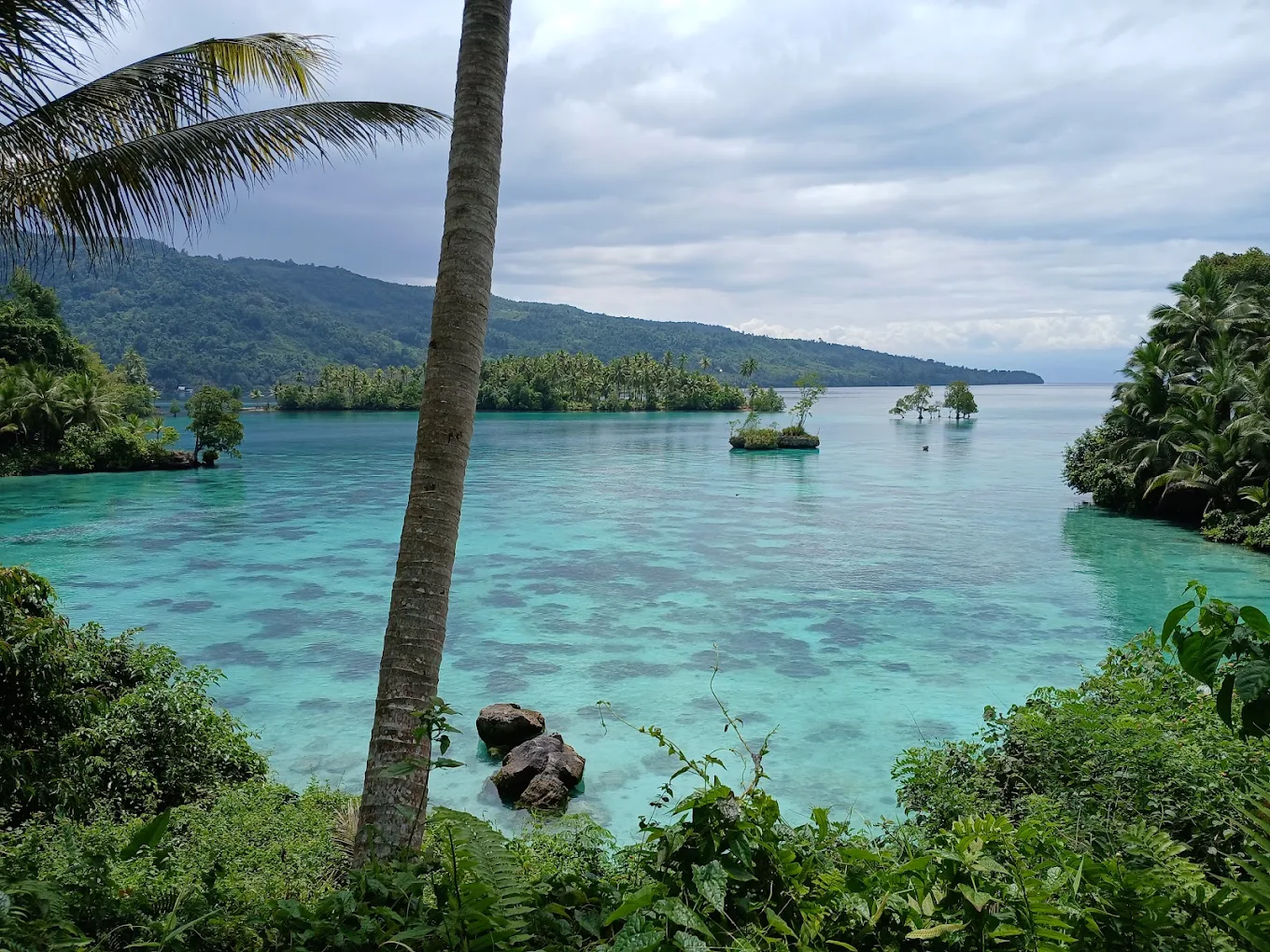
The defining feature of Kawalu Bay is its turquoise, unusually calm water. Under the right conditions, the surface can reflect the sky almost like a mirror. The blue-green color remains one of the bay’s strongest visual characteristics.
The shoreline is framed by mangrove forests and backed by green tropical hills. In some sections, coconut palms grow close to the beach. From above, the bay forms a turquoise curve surrounded by dense green vegetation, with white sand and shallow coral visible beneath the water.
The sheltered character of the bay gives it an almost lagoon-like atmosphere. Water conditions can still change with weather, tides, and sea state, so visitors should check local conditions before going out by boat.
Paddleboarding and Snorkeling
Paddleboarding is one of the activities that best matches Kawalu Bay’s calm conditions. Stand-up paddleboards can be used around the bay and mangrove areas, especially when accompanied by a local guide who knows the channels.
Snorkeling is another rewarding option. Clear water can make reef fish visible from the surface, while shallow coral areas around the bay edge can support sea anemones and clownfish.
Facilities remain limited, so travelers planning to snorkel should bring their own mask, snorkel, and fins or arrange equipment before the trip.
Diving at Kawalu Bay: Nemo and Shallow Reefs
For divers, Kawalu Bay is better understood as a shallow reef diving site rather than a deep-wall or drift-diving destination. Dive reports describe entry from a white-sand beach, with coral beginning at around 3 meters and the more interesting reef areas at roughly 6 to 9 meters.
One of the attractions is clownfish, or Nemo, particularly Amphiprion ocellaris, living among sea anemones. The relatively shallow depth can make the site appealing to beginner divers when conditions are suitable and the dive is conducted with appropriate guidance.
How to Get to Kawalu Bay
Kawalu Bay is not normally reached directly by road, so planning the boat connection is the most important part of the visit. The practical way to experience it is as part of a local boat trip arranged through accommodation or a local guide.
Travelers staying in the Banggai Islands can discuss the route with a homestay or guesthouse and combine several destinations in one day. A local guide can also help with mangrove channels, snorkeling spots, diving entry points, and timing the visit around better water conditions.
For travelers around Salakan, reaching the Kawalu area generally involves a combination of road transport and a local boat depending on the departure point. From Luwuk, the trip first involves crossing to the Banggai Islands, followed by local transport and a boat to the bay.
Best Time to Visit Kawalu Bay
For photography and the clearest turquoise water, late morning through early afternoon usually provides stronger sunlight over the bay. Early morning can also be atmospheric, particularly when mist remains around the mangroves.
The generally drier period from around May to October tends to offer more stable sea and sky conditions. The bay is relatively sheltered, but heavy rain and rough weather can affect boat access, visibility, and water clarity.
What to Bring and What to Expect
Bring:
- Snorkeling mask, snorkel, and fins
- Reef-safe sunscreen, hat, and sunglasses
- Drinking water and snacks
- A dry bag for boat travel
- Camera or drone for photography
- A light rain jacket during wetter months
Do not expect:
- Formal entrance fees or ticketing
- Restrooms, changing rooms, or showers at the bay
- Many food and drink vendors
- Reliable snorkeling or paddleboard rentals
- Consistent mobile signal in every area
Kawalu Bay FAQ
Is Kawalu Bay the same as Kawalu Beach in Pagimana?
No. Kawalu Bay is the island bay in Banggai Islands Regency, reached as part of a boat trip. Kawalu Beach, also known as Pantai Manado, is a separate mainland beach in Desa Siuna, Kecamatan Pagimana, Banggai Regency.
Can you visit Kawalu Bay without a boat?
Practically, a boat is the main way to experience the bay. Arrange the trip through your accommodation or a local guide who understands the local route and sea conditions.
Is Kawalu Bay suitable for beginner snorkelers and divers?
The relatively shallow reef can suit beginners when conditions are appropriate and guidance is available. Always consider swimming ability, weather, currents, and sea conditions before entering the water.
Do I need to bring my own snorkeling gear?
It is recommended. Equipment rental at Kawalu Bay is limited or may not be available, so arranging your own mask, snorkel, and fins in advance is more practical.
What is the best way to photograph Kawalu Bay?
Late morning to early afternoon usually gives stronger light for the turquoise water. A drone can show the shape of the bay, mangroves, and surrounding hills particularly well, subject to local rules and safe flying conditions.
Related Destinations
Kawalu Bay is often combined with other Banggai Islands attractions on the same boat trip. Paisu Pok Lake is the region’s famous blue freshwater lake on Peleng Island, while Paisu Batango Spring offers another clear freshwater experience nearby.
Poganda Beach offers white sand and snorkeling, while Oyama Beach in Banggai Laut is another remote coastal destination reached by boat. For travelers based in Luwuk, Piala Waterfall and Bukit Teletubbies provide mainland alternatives before or after an island trip.
.jpg)